
7 Tips on Finding an Identity-Affirming Therapist

Author: Aliya Saulson, LCSW

Therapy is such an intimate treatment setting, and the research shows that the biggest factor of success in clients’ therapy is actually the relationship they have with a therapist.  So, it’s natural to want to be selective about the provider you’re going to enter this space with.  And especially for members of marginalized communities, who have historically been harmed by the mental health field and experienced pathologization of identity, it can be vital to have a therapist who welcomes your whole self and who’s thought about you before you even walk in the room. 

Finding a therapist who affirms and supports your identity (whether that’s related to gender, neurodivergence, sexuality, culture, race, age, disability, religion, citizenship status, socioeconomic status, or other aspects of who you are) can make therapy feel safer and more effective.

Ask yourself what your needs are

What does identity-affirming mean for you? Is it important that your therapist shares aspects of your identity (queer, trans, BIPOC, neurodivergent, religious, etc.) or that they are simply well-educated, respectful, and affirming of it?

Check out their website and experience listed

Remember that the therapist has a heavy say (if not complete say) in how they are advertised online, which means they’ve decided what information is important to share with potential clients.  Does the provider indicate having experience working with people who look like you or share your identities?  Does the provider have any signatories that indicate they are welcoming of all identities (pronouns listed, pride/trans flag posted, Black Lives Matter image, land acknowledgment, etc.)? Does the provider mention any of their own identities in their bio? 

Check out their social media/blogs/presentations

Have they given presentations, written blogs, or made social media posts dedicated to celebrating different communities? If they advertise working with trauma, are they trauma-informed when it comes to traumatic experiences of discrimination and microaggressions?

Check out specialized directories

Some therapist directories let you filter for different identities. Some of my go tos are: Therapy Den,  Inclusive Therapists, Therapy for Black Girls, Charlotte Trans Health, OutCare Health, and Asian Mental Health Collective.

Be on the lookout for red flags

Do they indicate doing things like conversion therapy (more recently rebranded as “gender exploratory therapy”) or encouraging masking? Avoid therapists who minimize identity concerns. For example, “I treat everyone the same” may mean they overlook systemic realities. Watch out for language that feels pathologizing or dismissive.

Seek community recommendations

Ask friends, community groups, support groups, or online forums centered around your identity if they have recommendations.  Local LGBTQ+ centers, cultural organizations, or disability justice collectives often keep referral lists.

Ask to set up an intro consultation

Most therapists, like those at ChangeWell Psych, offer free 15-minute consultations to assess goodness of fit before you even have a first session.   Don’t be afraid to ask about a provider’s comfort level or experience in working with somebody who has the identities you have. This is a great opportunity to ask questions like:

  • “How do you approach working with [LGBTQ+ clients / clients of color / disabled clients]?” 
  • “What is your perspective on neurodiversity?”
  • “What training or experience do you have supporting clients with [my identity/experience]?” 
  • “How do you address power, privilege, and oppression in the therapy space?” 
  • “What’s your position on involving police in mental health crises?”
  • “Do you use affirming practices (e.g., chosen names and pronouns)?” 


A good therapist won’t be defensive; they’ll answer openly, respectfully, and seriously.

Additionally, notice how you feel after the consultation: did you feel seen, respected, safe, or did you feel the need to explain/defend your identity?

I usually tell people in my life seeking a therapist – clients and friends alike – to give a new therapist a try for four sessions. If it’s the right fit, you’ll know it in your gut. And if it’s not, you’ll get a clear gut reaction informing you of that, too!

Are you ready to schedule a consultation with a therapist?

Our provider directory has over 50 vetted options in the Charlotte Metro Area, including Aliya and others at ChangeWell Psych!  

September Suicide Prevention

Suicide Awareness Month

September is Suicide Awareness Month, which is intended to increase knowledge of and de-stgmatize this important mental health concern. While suicide has devastating impacts and an outsized effect on the LGBT community, there is hope. Resources and professional support are effective and available.

Suicide is defined as “intentionally ending one’s own life (Nock et al.,2008).” Suicidal thoughts and behaviors are terms that refer to a number of related concepts including considering suicide, making plans, and taking risks or harming one’s self with the intention of dying. 

Scale of the Suicide Problem in the U.S.

Suicide is an urgent public health issue in the U.S. and causes an estimated 49,400 deaths each year (NIMH, 2025). Adolecents and young adults are at heightened risk for death by suicide– suicide is the second most common cause of death among all Americans ages 10-34 (CDC, 2023). Members of the LGBT community are also at higher risk for suicidal thoughts and behaviors than the general U.S. population. The Trevor Project estimates that more than 1.8 million LGBTQ+ young people (ages 13-24) in the U.S. seriously consider suicide each year (The Trevor Project, 2021). Among TGD people, an estimated 78% have considered suicide and 40% attempted suicide at some point in their lifetime compared to just 13.2% (considered) and 2.4% (attempted) of the US general population (Rastogi et al., 2025).

However, data on suicide deaths broadly and among LGBT people is likely underreported.ecause of the stigma associated with suicide, family members may obscure the nature of a person’s death (Fernandez & Jayawardhana, 2025). Additionally, the lack of standardized sexual orientation and gender identity data collection means that there is no reliable way to know if a person who died by suicide was LGBT after their passing. Despite the need for further research and improved data collection, we know a number of the factors that make LGBT people more likely to experience suicidal thoughts and behaviors.   

LGBT Specific Risk Factors

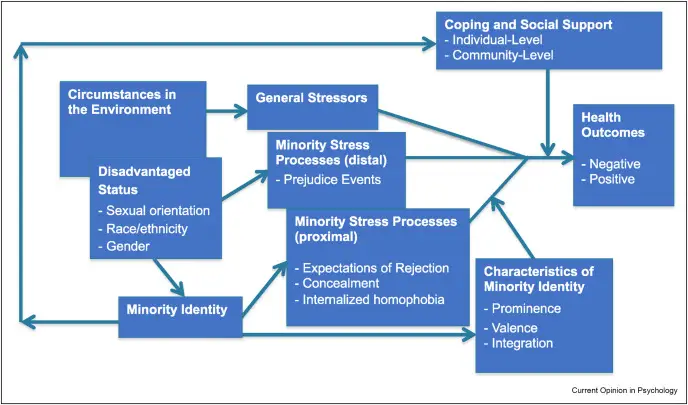
LGBT people face substantial discrimination, harassment, and victimization. The Gender Minority Stress Model posits that these external negative experiences combine with negative internal factors like expecting rejection from others, internalized transphobia, and gender dysphoria to create a higher likelihood of developing mental and physical health issues (Hendricks & Testa, 2012). Being transgender does not cause mental health issues or suicide; rather, the compounding, chronic stress and discrimination TGD people face is thought to be the cause of the elevated rates of negative mental health outcomes like depression, anxiety, and suicide.

Frost & Meyer, 2023

Protective Factors & How to Help

Despite the significant impact suicide has on the LGBT community, we also know there are a number of protective factors, or things that help prevent it. Particularly for TGD youth, welcoming schools, affirming families, and accepting communities make a life saving difference; LGBT youth who described their home or school as affirming were significantly less likely to attempt suicide in the past year (The Trevor Project, 2024). Furthermore, connection to the LGBT community and Pride in one’s identity are connected to lower risk of suicidal thoughts and behaviors (Kanuika et al., 2019)

Everyone is capable of intervening in mental health crises and supporting their struggling loved ones. Recognizing some warning signs of suicide is the first step in preventing it (NAMI, 2022).

Warning signs can include:

  • Saying things like: “I wish I wasn’t here”, “I wish I could go to sleep and never wake up”, or “Everyone would be better off without me”
  • Mood swings
  • Increased use of alcohol or drugs
  • Impulsive or reckless behavior
  • Isolating – not wanting to be around other people or do activities they used to enjoy
  • Buying a weapon or collecting a large amount of medications
  • Giving away their possessions, especially ones with sentimental value
  • Making plans for pets, children, or other dependents
    • “If anything ever happens to me, I’d want you to take care of my cat.”
  • Getting legal/financial affairs in order
    • Ex. a young, healthy person making a will; paying off debts
  • Saying goodbye to family and friends 

It’s a common misconception that talking about suicide will make someone more likely to attempt it; in fact, many people struggling with suicidal thoughts say it’s a relief for someone else to recognize the pain they’re in. To help the struggling person get the help they need, it’s important to ask directly if they’re thinking about suicide.  If they say yes, calm, compassionate discussion comes next. Listen and validate their feelings without judgment. Sharing your own experiences can also help the person feel less isolated and offering resources can assist with getting them professional support. You could say things like:

“I had similar thoughts after my Mom passed away. I didn’t think there was any way out of the pain and grief until I started going to this support group. Would you like to go to a meeting with me next week?”

“I struggled with those kinds of feelings in the past. Talking to a therapist really helped. I still see them once a month, even though I’ve been doing a lot better lately. Can I call the office and see if another therapist there might be able to see you soon?”

Commit to checking in on them routinely, and offer resources. Asking for help can be scary and it may be helpful for you to be present to support them when trying to make an appointment with a therapist or calling a crisis line.  Organizations like QPR and Mental Health First Aid also offer training on navigating mental health crises. 

Always remember that there is hope; resources and help to address mental health challenges are life-changing and available. Together, we can create communities free of suicide.

Resources below (Charlotte area, NC state, National)

-Charlotte Area:

  • Call: 704-444-2400
  • The only dedicated psychiatric emergency department in the region
  • Hours: 24/7
  • Call: 704-566-3410 ext 1
  • Hours: 24/7

-NC State:

  • Call or Text: 877-235-4525
  • Hours: 24/7
  • Call: 211 or 1-888-892-1162
  • NC 211 is an information and referral service provided by United Way of North Carolina and powered by local United Ways of North Carolina. Families and individuals can call to receive free and confidential information on health and human services within their community.
  • Hours: 24/7
  • NC Peer Support Warmline
  • Call: 1-855-733-7762
  • Offers a peer crisis hotline, and respite for folks seeking to avoid psychiatric hospitalization
  • Hours: 24/7

-National:

  • Call: 800-604-5841
  • Hours: 24/7
  • Crisis Text Line
  • Text: HOME to 741741
  • Hours: 24/7
  • LGBT National Help Center (see link for different chat and hotline options and hours)
  • Hours:  NOT 24/7 – visit website for details
  • Call or Text: 988
  • Hours:  24/7
  • Call 844-762-8483
  • Hours: 24/7
  • Call: 866­-488­-7386
  • Text: Text the word START to 678-678
  • Hours: 24/7
  • Call: 877-565-8860
  • Hours: 24/7
  • Call: 888-407-4515
  • 7pm to 9pm ET Monday through Thursday
  • 7pm-10pm ET Friday through Sunday

References:

Centers for Disease Control and Prevention. (2023). WISQARS Leading Causes of Death Visualization Tool. Centers for Disease Control and Prevention. https://wisqars.cdc.gov/lcd/

Fernandez, J. M., & Jayawardhana, J. (2025). Are suicides underreported? The impact of coroners versus medical examiners on suicide reporting. Health Services Research, 60(2), e14381. https://doi.org/10.1111/1475-6773.14381

Frost, D. M., & Meyer, I. H. (2023). Minority stress theory: Application, critique, and continued relevance. Current Opinion in Psychology, 51, 101579. https://doi.org/10.1016/j.copsyc.2023.101579

Hendricks, M. L., & Testa, R. J. (2012). A conceptual framework for clinical work with transgender and gender nonconforming clients: An adaptation of the Minority Stress Model. Professional Psychology: Research and Practice, 43(5), 460–467. https://doi.org/10.1037/a0029597

Kaniuka, A., Pugh, K. C., Jordan, M., Brooks, B., Dodd, J., Mann, A. K., Williams, S. L., & Hirsch, J. K. (2019). Stigma and suicide risk among the LGBTQ population: Are anxiety and depression to blame and can connectedness to the LGBTQ community help? Journal of Gay & Lesbian Mental Health, 23(2), 205–220. https://doi.org/10.1080/19359705.2018.1560385

Kim, R., Wagner, E., Nestadt, P., Somayaji, N., Horwitz, J., & Crifasi, C. (2025). Gun Violence in the United States 2023: Examining the Gun Suicide Epidemic. Johns Hopkins Bloomberg School of Public Health.

National Alliance on Mental Illness. (2022). Risk of Suicide. National Alliance on Mental Illness (NAMI). https://www.nami.org/about-mental-illness/common-with-mental-illness/risk-of-suicide/

National Institute of Mental Health (NIMH). (2025). Suicide. https://www.nimh.nih.gov/health/statistics/suicide

Nock, M. K., Borges, G., Bromet, E. J., Cha, C. B., Kessler, R. C., & Lee, S. (2008). Suicide and Suicidal Behavior. Epidemiologic Reviews, 30(1), 133–154. https://doi.org/10.1093/epirev/mxn002

Rastogi, A., Menard, L., Miller, G., Cole, W., Laurison, D., Caballero, J., Murano-Kinney, S., & Heng-Lehtinen, R. (2025). Health & Wellbeing: Findings from the 2022 U.S. Trans Survey. Advocates for Trans Equality. https://ustranssurvey.org/download-reports/

The Trevor Project. (n.d.). 2024 U.S. National Survey on the Mental Health of LGBTQ+ Young People. 2024 National Survey on LGBTQ+ Youth Mental Health. Retrieved August 27, 2025, from https://www.thetrevorproject.org/

The Trevor Project. (2021, December 15). Facts About Suicide Among LGBTQ+ Young People. The Trevor Project. https://www.thetrevorproject.org/resources/article/facts-about-lgbtq-youth-suicide/

Breast and Chest Feeding Considerations for Trans and Gender Diverse Parents

Breast & Chest Feeding

Feeding your child is, perhaps, the most vital requirement of all parents. However, for many trans and gender diverse parents, feeding their newborn or infant can be complex. In observance of National Breast Feeding Month, we want to highlight the benefits of breast or chest feeding and help folks understand how their transition related care may affect this element of their journey through parenthood. volves positioning the genitals in a way that creates a flatter appearance. Some individuals tuck for gender expression, personal comfort, or to align their outward appearance with their gender identity.

Approved (10)

Benefits of Breast/ Chest Feeding

While the most important goal is ensuring your newborn receives all the nutrients they need to grow and thrive, there are many benefits feeding your baby nothing but human milk for the first  6 months of their life. Human milk transfers antibodies from parent to child and helps the baby’s immune system develop. Studies show that breast/chest feeding reduces the risks of common childhood illnesses like diarrhea and respiratory viruses. Long term, people who were breastfed as babies have lower odds of developing chronic diseases including asthma, type 1 diabetes, and obesity (CDC, 2025). Internationally, where there are fewer food safety regulations and limited access to clean drinking water, exclusive breastfeeding is an important way to limit an infant’s exposure to potentially life threatening diseases. The World Health Organization estimates that the lives of over 800,000 children could be saved each year if exclusive breastfeeding were universally adopted (WHO, 2018). 

Even if a parent needs to supplement the milk they produce with support of a nursing co-parent or formula, breast/chest feeding has important benefits for any parent. Breast/chest feeding facilitates a close emotional bond and can help the parents anticipate baby’s needs through body language cues. Benefits specific to the gestational parent (the person who carries and births the baby) include a reduced risk of postpartum depression, ovarian cancer, and cardiovascular disease (Cleveland Clinic, 2023). 

Considerations for Transmasculine People

Transgender men and transmasculine people who’ve started HRT or had top surgery may have difficulty time producing and maintaining a consistent supply of human milk. If you are the gestational parent, your body is hormonally prepared for chest feeding. However, resuming testosterone after giving birth may limit your milk supply and should be discussed with your doctor before delivery if you plan to chestfeed. Concerns about triggering gender dysphoria or other mental health conditions through chestfeeding should always be taken seriously; a happy, healthy parent is instrumental for a happy, healthy baby! You may feel more comfortable pumping your milk using a machine and bottle feeding your baby. If you are not the gestational parent, nursing your infant may be possible, but will require the support of medications, including estrogen and progesterone to start milk production, also known as lactation.

Top surgery can also affect the internal structures of the chest and make chestfeeding more difficult. While top surgery may remove many mammary glands, some will remain to prevent the chest from looking concave, or rounded inward.  Surgical techniques that preserve the nipple, such as keyhole and peri ariolar, are more likely to preserve nursing function than techniques that use free nipple grafts, like double incision. Because your chest is more muscular and less flexible after top surgery, your baby may also have trouble latching to the nipple. Trying different feeding positions, with or without the guidance of a lactation consultant, can help alleviate this problem. Additionally, binding while chestfeeding can increase the risk of an infection in the milk ducts, called mastitis (NHS, 2025). While mastitis can be very painful and interrupt feeding your baby, it’s easily treated, although sometimes requires antibiotics and rarely has long term complications (Blackmon et al., 2024). 

Considerations for Transfeminine People

Transgender women and transfeminine people can also play a key role in the early nourishment of their children. All people, regardless of gender identity or sex assigned at birth, have milk producing glands and estrogen can cause development of the ducts that move milk through the chest tissue and nipples. The hormones produced during pregnancy prepare the body to breast/chest feed. However, there has been a reliable method of inducing lactation and maximizing milk supply in cisgender women who adopt or use gestational surrogates for over 25 years. The Newman-Goldfarb Protocol is a schedule of medications to be started 6 months or more before the baby is due, so you’re prepared to nurse when the baby arrives. It uses hormones- including estrogen and progesterone, herbal supplements, mechanical breast stimulation through pumping, and a medication called domperidone (Goldfarb & Newman, 2000). Domperidone is an anti-nausea medication commonly used in Europe and other countries, but is not currently FDA approved in the US. It may also pose serious risks to your heart and mental health (FDA, 2023), as well as the risk of tardive dyskinesia or uncontrollable movements often of your neck or tongue. Discussing the potential risks to you and your baby with your doctor is essential if you’re considering this medication. While more research is needed on inducing lactation in trans women, small studies and case reports have shown the Newman-Goldfarb Protocol is effective (Amesfoort, Mello, & Genugten, 2024).

Much like with cisgender women who use this protocol, there is no way to be certain that it will make enough milk to meet your baby’s nutritional needs. You may need to provide supplemental nutrition for your baby- such as through formula, a partner or co-parent who nurses the baby, or pumped milk from a milk bank- such as the Human Milk Banking Association of North America.

Regardless of gender identity or sex assigned at birth, it’s important for all TGD parents to know that HIV can be transmitted through human milk. If you are HIV positive, taking your HIV medication, maintaining viral suppression, and regular consultation with your doctor are necessary to protect the health of your child. 

Safe Tucking and Binding

This Month’s Blog post was written by Rem Martin (they/them), Charlotte Trans Health’s Spring 2025 post-baccalaureate intern.

Tucking: What It Is and How to Do It Safely.

Tucking involves positioning the genitals in a way that creates a flatter appearance. Some individuals tuck for gender expression, personal comfort, or to align their outward appearance with their gender identity.

Approved (2)

Safe Tucking Practices

When done correctly, tucking should not cause significant pain or discomfort. Here are key guidelines for safe tucking:

  • Use Proper Undergarments: Gaffs, tight-fitting underwear, or control shorts can provide support without excessive pressure( Guillory & Rafalski, 2023) .
  • Avoid Excessive Compression: Prolonged or overly tight tucking may lead to skin irritation, restricted blood flow, or fertility issues(Kidd et al., 2024).
  • Take Breaks: Extended tucking can increase the risk of discomfort or health issues. It’s recommended to remove the tuck when sleeping and to take breaks when possible (Callen-Lorde, n.d.).
  • Stay Cool and Dry: Moisture buildup can lead to chafing or infections. Wearing breathable fabrics and practicing good hygiene is essential (Fenway Health, n.d.)

Potential Risks of Tucking

While generally safe when done properly, tucking can pose health risks if done incorrectly or for extended periods:

  • Skin irritation and chafing
  • Increased risk of urinary tract infections (UTIs)
  • Circulation issues if using excessive compression
  • Possible impact on fertility if done long-term without breaks (Erickson-Schroth, 2022).

By following safe tucking techniques, individuals can minimize risks while achieving the desired appearance.

Binding: Ensuring Safety and Comfort

Binding is the practice of flattening the chest using a binder, sports bra, or other compression garment. Many transgender men, nonbinary individuals, and others use binding to reduce chest dysphoria and feel more comfortable in their bodies.

Safe Binding Practices

To bind safely, it’s important to choose the right binder and use it properly:

  • Use a Binder Made for Binding: Avoid DIY binders made from ace bandages or duct tape, as these materials can cause severe injury by restricting movement and blood flow(Peitzmeier et al., 2016).
  • Wear the Correct Size: A binder should be snug but not painfully tight or restrictive. If breathing feels restricted, it’s too tight (Gender Confirmation Center, 2023).
  • Limit Binding Time: Experts recommend binding for no more than 8 hours per day to reduce the risk of health complications (Pehlivanidis & Anderson,2024).
  • Take Breaks and Stretch: Giving your body a rest day and performing gentle chest stretches can help prevent stiffness or muscle pain (Erickson-Schroth, 2021).
  • Monitor for Warning Signs: If you experience chest pain, difficulty breathing, skin sores, or rib discomfort, take a break from binding and consult a medical professional (Anchor Health, n.d.).

Health Risks of Improper Binding

Binding too tightly or for prolonged periods can lead to serious health complications, including:

  • Difficulty breathing and decreased lung capacity
  • Back and shoulder pain
  • Skin irritation and rashes
  • Rib bruising or deformation in extreme cases (Peters, Gross, & Bostick, 2024).

Prioritizing safe binding methods ensures both comfort and long-term health.

Tucking and binding are deeply personal practices that help individuals align their physical appearance with their gender identity. However, safety should always come first. By following best practices, using proper materials, and listening to your body, you can tuck and bind in a way that supports both your well-being and gender expression.

Resources & Citations:

Free and low-cost binders & tucking underwear:

Callen-Lorde Community Health Center. (n.d.). Safer Tucking. https://callen-lorde.org/graphics/2018/09/HOTT-Safer-Tucking_Final.pdf
 
Coe, A. (2023, January). Trans & Non Binary Guide to Gym Confidence and Clothing. Offbinary. https://offbinary.com/blogs/articles/trans-and-non-binary-clothing-and-confidence
 
Erickson-Schroth, L. (Ed.). (2022). Trans Bodies, Trans Selves: A Resource by and for Transgender Communities (Second Edition, New to this Edition:, Second Edition, New to this Edition:). Oxford University Press.
 
Kipp, S., Leahy, M. G., & Sheel, A. W. (2024). Sports Bra Restriction on Respiratory Mechanics during Exercise. Medicine and Science in Sports and Exercise, 56(6), 1168–1176. https://doi.org/10.1249/MSS.0000000000003403
 
Peitzmeier, S., Gardner, I., Weinand, J., Corbet, A., & Acevedo, K. (2017). Health impact of chest binding among transgender adults: A community-engaged, cross-sectional study. Culture, Health & Sexuality, 19(1), 64–75. https://doi.org/10.1080/13691058.2016.1191675
 
Peters, M. R., Gross, D. P., & Bostick, G. (2024). Symptoms and Experiences of Chest Binding: A Cross-Sectional Survey Using a Patient-Oriented, Harm Reduction Approach. Transgender Health. https://doi.org/10.1089/trgh.2024.0125
 
Safer Binding and Packing. (n.d.). Retrieved August 1, 2025, from https://www.rainbow-project.org/safe-binding-and-packing/
 
Stump, M. (n.d.). Tucking: A resource guide on how to tuck safely, where to find affirming products, and answers to frequently asked questions. https://fenwayhealth.org/wp-content/uploads/Trans-Health-Tucking-Guide.pdf

Pelvic Physical Therapy: A Game-Changer for Transgender Health

This months blog was written by Ana Karim (she/her), DPT of Queen City Pelvic PT. Please email info@charlottetranshealth.org if you’d like to connect with Dr. Karim.

Let’s talk about pelvic physical therapy and how it can be a total game-changer for transgender individuals! Whether you’re prepping for gender-affirming surgery, recovering from it, or just want to keep everything working smoothly, pelvic PT is here to help.

So… What Exactly is Pelvic PT?


Pelvic physical therapy is a specialized area of physical therapy that focuses primarily on the muscles, nerves, joints, and connective tissue located between the belly and the knees.  These muscles help with bladder and bowel control, support your core, and play a huge role in sexual function. When they’re too tight, too weak, or just not working in harmony, problems can arise. And let’s be real—no one wants pelvic pain, urinary leakage, or discomfort when they’re just trying to live their best life. While pelvic physical therapists do focus most of their treatment around pelvic health issues, they are also trained to look at the WHOLE person and an evaluation often incorporates a full body assessment.

Approved (10)

Pelvic PT and Gender-Affirming Surgery: Preparing and Healing with Care

For those planning gender-affirming surgery, pelvic PT can be an essential part of pre- and post-op care. Here’s how it helps:

Before Surgery: Getting Ready

  • Pelvic Floor Muscle Training: Strengthening and coordinating your pelvic muscles can help prepare them to support your new anatomy.
  • Flexibility Work: Especially helpful for those undergoing vaginoplasty, where a relaxed pelvic floor can make post-op dilation much easier.
  • Bladder and Bowel Prep: No one talks about this, but trust us, you’ll want things moving smoothly before surgery.
  • Breathwork and Relaxation: Surgery can be stressful! Learning how to release tension in your core and pelvis can make recovery much more comfortable.

After Surgery – Supporting Recovery

  • Scar Mobilization: Helps keep tissue flexible and reduces discomfort from post-surgical scars.
  • Pelvic Floor Rehab: Assists in retraining muscles to work effectively, especially after major structural changes.
  • Dilation Assistance: For vaginoplasty patients, learning how to dilate effectively without pain is key to a smooth recovery.
  • Pain Management: Because healing shouldn’t have to be a painful experience.

Not Getting Surgery? Pelvic PT Still Has Benefits!

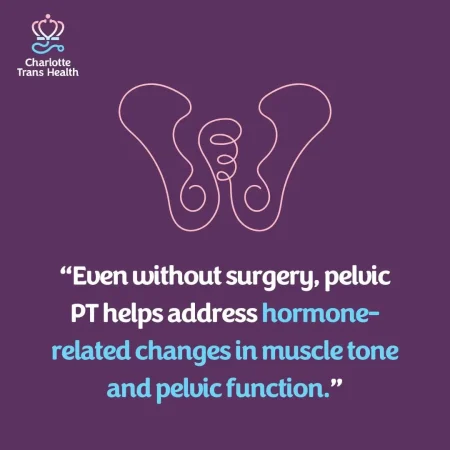
Even if you’re not undergoing surgery, pelvic PT can still be super helpful. Hormone therapy, for example, can cause changes in muscle tone and tissue elasticity. This can sometimes lead to bladder issues, pelvic pain, or changes in sexual function. A pelvic physical therapist can help navigate these changes so that you feel comfortable and confident in your body.

Creating an Inclusive, Judgment-Free Zone

The best pelvic PTs understand that gender-affirming care isn’t just about muscles and movement—it’s about respect, affirmation, and making you feel safe. That means using the correct names and pronouns, understanding the unique aspects of transgender anatomy, and ensuring that every treatment plan is tailored to YOU.

Final Thoughts: Your Pelvis, Your Power

Pelvic physical therapy is one of the most underrated yet transformative tools for transgender health. Whether you’re preparing for surgery, healing afterward, or just want to feel stronger and more in control of your body, a good pelvic PT can be a powerful ally. So don’t be shy—your pelvis deserves some care, and pelvic PT is here to help!

Taking a Disability Friendly Approach to Healthcare

This Month’s Blog post was written by Rem Martin (They/them), Charlotte Trans Healths’ Spring 2025 post-baccalaureate intern. 

Accessibility Awareness

May 15th is Accessibility Awareness day, which aims to prompt conversation and action about the digital, physical, and societal barriers disabled people face. In observance of this day, take time to reflect on your clinical practice and consider it’s responsiveness to the needs of people with disabilities. 

Taking a disability friendly approach to care:

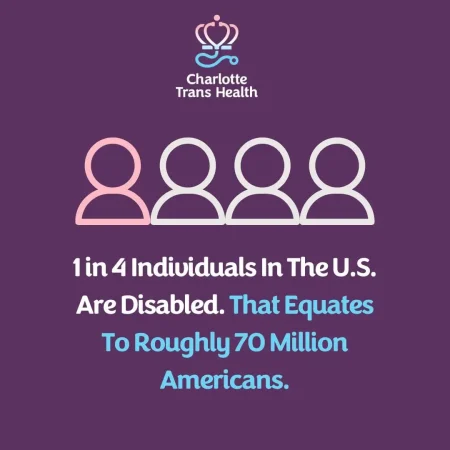
Providers work hard to ensure that their practices are safe and affirming for their clients; however, the needs of people with disabilities are often overlooked. Over a fourth (¼) of the U.S. population experiences some manner of disability, and yet accessibility and accommodation are seldom discussed in both business and healthcare settings (ADA, 2025). With transgender and gender diverse individuals experiencing an almost doubled likelihood of being disabled, it is important for providers to ensure their practices are accommodating(Smith-Johnson, 2022; CDC).

Approved

What is a Disability?

The CDC defines a disability as “a physical or mental impairment that greatly limits one or more major life activities including eating, breathing, walking, working, or taking care of oneself.” This includes both visible impairments, such as cerebral palsy and paralysis, and invisible impairments such as depression and chronic pain. It is important to recognize that not all disabilities are ‘obvious’ and that accommodation requests are open to anyone—those with disabilities are not required to disclose information about their impairments to be accommodated (NAMI, 2024).

ADA: What is it?

The Americans with Disabilities Act (ADA) is a federal civil rights law that prohibits discrimination against individuals with disabilities in various aspects of public life, including all healthcare services. This means that providers should ensure they meet the following standards:

Physical Accessibility: Ensure that medical facilities are accessible to individuals with mobility disabilities. This includes providing features such as accessible parking, entrances, restrooms, and examination rooms (Keller, 2022).

Auxiliary Aids and Services: Provide necessary aids and services, such as sign language interpreters, large print materials, or assistive listening devices, to ensure effective communication with patients who have hearing, vision, or speech disabilities (ADA, 2025).

Identifying Barriers: Understand healthcare disparities and barriers, including attitudinal, social, and physical obstacles, that hinder access to care for individuals with disabilities. This includes examining one’s own internalized stigmas and perceptions of those with disabilities and how it may be impacting their delivery of affirming care (Sinha et al., 2024).

Provider Accessibility Checklist:

Here are some questions providers can ask themselves in order to create a more accessible and inclusive environment:

  • Is my practice wheelchair accessible?
  • Does my practice website include alternative text or image descriptions? Is my website compatible with screen readers for visually impaired people?
  • Do I have access to an ASL interpreter?
  • Do I have closed captions for virtual meetings?
  • Am I well-versed on ADA regulations regarding mobility aids and service animals?
  • Does my practice have accessible bathrooms? (doorways large enough for wheelchairs and lowered sinks)
  • Do I have access to braille resources for clients?
  • Have I completed a Disability Competence training or consulted with disability advocates?
  • Am I willing to make modifications to my services to accommodate individual needs?
  • Does my approach to care consider the additional hardships and mental/emotional strains of those living with disabilities that are heavily stigmatized in our society?


Don’t be vague about your accommodations! Being an inclusive provider starts with being an ally! Providers who stay up to date on disability rights and advocacy work demonstrate to their patients that they are staunchly committed to creating an inclusive atmosphere for everyone!

Disability Support & Learning Resources

  1. USA.gov Disability Services
  2. NC Department of Health and Human Services- Disability Services
  3. Disability Rights and Resources
  4. Supporting the Dignity of Disabled People: Things to Know and Do
  5. 5 Simple Ways to Empower a Person with a Disability
  6. People First: A Guide to Interacting with People with Disabilities
  7. Working with Clients with Disabilities – Society for Psychotherapy
  8. Disability-Related Counseling Competencies

References

Americans with Disabilities Act, (ADA). (2025). Introduction to the Americans with Disabilities Act. ADA.Gov. https://www.ada.gov/topics/intro-to-ada/

Centers for Disease Control and Prevention, (CDC). (2024). Celebrating the Americans with Disabilities Act: Improving Health for All. Minority Health. https://www.cdc.gov/minority-health/features/disability-inclusion-as-a-cornerstone-for-health-equity.html

Keller, M. (2022). Doctors and Disability: Improving Inclusion in Medical Education. HCA Healthcare Journal of Medicine, 3(3). https://doi.org/10.36518/2689-0216.1393

Molina Healthcare. (n.d.). Disability Awareness & Sensitivity. https://www.molinahealthcare.com/~/media/Molina/PublicWebsite/PDF/providers/tx/Duals/disability-awareness.pdf

National Alliance on Mental Illness, (NAMI). (2024). People with Disabilities. https://www.nami.org/your-journey/identity-and-cultural-dimensions/people-with-disabilities/

Parish, A., Sinha, T., Harada, C. N., & Brooks, W. S. (2024). 12 Tips for Including Disability Awareness within Undergraduate Medical Education Curricula. MedEdPublish. https://mededpublish.org/articles/14-32/v3

Smith-Johnson, M. (2022). Transgender Adults Have Higher Rates Of Disability Than Their Cisgender Counterparts. Health Affairs, 41(10), 1470–1476. https://doi.org/10.1377/hlthaff.2022.00500

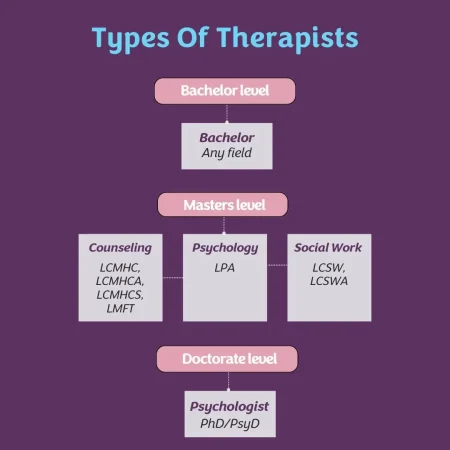
Types of Therapists

Finding a therapist or counselor to meet your unique needs can be complicated and confusing! While all licensed providers have high educational and ethical standards, they can have different credentials based on their training and specialization.  Insurance companies may require a referral letter for gender affirming surgery to be written by a “masters level psychotherapist”. Any of the types of licensed providers below meet this requirement, but not all therapists have experience writing letters. 

CTH Social (Billboard (Square)) (1)

LCSW:

A Licensed Clinical Social Worker’s training focuses on holistically helping a person improve their life and mental health. While addressing mental health concerns, they may be more adept at helping clients address social and environmental factors that contribute to stress and poor mental health like unemployment, unstable housing, food insecurity, and other factors.

LCMHC:

Licensed Clinical Mental Health counselors focus solely on assessing, diagnosing, and treating mental health disorders in individuals. They typically work with clients to help them understand emotions and cope with a specific set of challenges. 

LMFT:

Licensed Marriage and Family Therapists specialize in interpersonal relationships. Many of the people who offer couples counseling or family therapy have an LMFT. People who want to work on behavior patterns created by their upbringing may also want to work with an LMFT.

LCAS:

Licenced Clinical addiction specialists have additional training working with people with substance use disorders. For people who use alcohol or drugs to cope with underlying mental health concerns, working with an LCAS can help address both issues at once and be particularly beneficial. 

*Psychology is the only mental health discipline with both a master’s level (LPA) and doctoral level (LP) license. The most pronounced differences in practice between these are that doctoral level providers have more extensive training in research methods, are more likely to teach at the collegiate level, and have less supervision requirements.

LPA:

Licensed Psychological Associates are licensed master’s level Psychologists, which gives them a unique background in clinical application of therapeutic methods and specialized training in conducting psychological evaluations. This training in evaluations can help LPAs clarify diagnosis or provide information used to develop educational plans.  LPAs can also be found conducting program evaluations or in the public health sector working to promote social change. 

PhD/Psy. D:

Psychologists are doctoral-level mental health providers. They often specialize in testing and diagnosis for neurodevelopmental disorders including ADHD and Autism.  They can either have a PhD (in psychology) or a PsyD. While both are experts in psychology, the difference in these credentials comes down to training. PsyD programs focus on clinical work, therapeutic methods, and diagnosis of mental disorders. Psychologists with a PhD can create and test the reliability of diagnostic tools used by other mental health providers. On top of their mastery of mental health and human behavior, they have extensive training in statistics and research methods. Despite earning the title of “Dr.”, psychologists are not medical doctors and can’t prescribe medications.

*It’s also worth noting that therapists may have PhDs in other fields, even unrelated to mental health. If you see credentials like “LCSW, PhD” don’t be afraid to ask what their Doctorate is in! For example, our own Katharine Campbell obtained a PhD in Public Affairs to aid her advocacy efforts in healthcare and criminal justice systems.  

*If you see a -A or -S (ex. LCSWA, LCMHCS) at the end of someone’s credential, it stands for Associate or Supervisor. Associates are newer providers who still require oversight by a more experienced clinician. They have completed their master’s degree and hundreds of hours of clinical practicum. Supervisors oversee and mentor newer providers. They have at least 5 years of clinical experience, have completed additional training, and passed in-depth ethical reviews.

Informed Consent in Gender Affirming Care

***Content warning for historic healthcare discrimination***

Informed consent is a model of communication between medical providers and their patients. In this model, your medical care provider will offer education about your health and any relevant preventive and treatment options including their risks, benefits, and long term effects. With all the information, you will then decide what treatments (or none) are right for you.

In gender affirming care, informed consent is becoming the standard for starting Hormone Replacement Therapy (HRT). This means that a medical care provider who uses this model will be able to prescribe HRT without a referral letter from a therapist, and often within 1-2 appointments after discussion, signing paperwork saying you understand the risks, and lab tests- so long as you don’t have other medical conditions that present higher risk. 

Adults who have the ability to independently make medical decisions related to other diagnoses or medical procedures are also able to consent to HRT. People with some mental health and medical conditions may face additional barriers due to misunderstanding, lack of specialized training, or concerns about medical complications.  While not required, people with the following conditions may want to seek a mental health professional to help them advocate for the care they need.

  • Eating Disorders
  • Substance Use Disorders
  • Dissociative Identity Disorder
  • Neurodiversity (Autism/ ADHD)
  • Intellectual and Developmental Disabilities

Historically, doctors who prescribed HRT were seen more as gatekeepers of care instead of collaborators. Harry Benjamin, featured in the header for this article, was a pioneer of transgender medicine in the US. While he was instrumental in advocating for medical treatment of what we would now call gender dysphoria, writing the first standards of care for transgender people, and founding the network of healthcare professionals that would become the World Professional Association of Transgender Health (WPATH), his work received major criticism from TGD advocates.  Requiring patients to “live as” their gender for extended periods of time, or undergo comprehensive psychological assessment or mental health treatment were common. Care could also be denied if a doctor didn’t think a transgender person could “pass” as their gender identity, or have successful heterosexual relationships- regardless of the patient’s sexual orientation. 

For many TGD people, these requirements of “gatekeeper models” could pose unattainable financial barriers, leave people vulnerable to discrimination and bias-motivated violence, and cause people to avoid care with licensed providers in favor of pursuing black/gray market care that can have significant negative health impacts. The “gatekeeper model” has caused justified mistrust of healthcare providers among TGD community members and has been falling out of favor for well over 20 years. Informed consent was officially recommended to replace this model by trans healthcare professional associations in 2022.

If you encounter a provider who tells you need a letter from a therapist to start HRT and you want to advocate instead of seeking another provider, you can share the following excerpt from the World Professional Association for Transgender Health (WPATH) Standards of Care, 8th edition or encourage them to review Chapter 5 of this comprehensive guide on providing gender-affirming care.

“Counseling or psychotherapy can be helpful when requested by a TGD person. However, counseling or psychotherapy specifically focused on their Transgender or Gender Diverse identity is not a requirement for the assessment or initiation of Gender Affirming Medical/ Surgical Treatments (Coleman et al., 2022).”